Ant attractants at home: food, moisture and what trails reveal
Ants rarely appear at random. A line of tiny insects across a kitchen floor usually points to something they want: sugar, protein, grease, water or a sheltered route between the two. Reading those clues is a practical part of ant identification, because the attractant often explains both the species and the size of the problem. A sweet trail near a windowsill may suggest one kind of forager, while ants gathering at a damp wall or under a leaking fixture can point to a different set of needs.
Food and moisture shape where ants travel, where they nest and how persistent they become. Understanding the pattern helps a homeowner make sensible changes before the trail turns into a recurring household issue. Pest Agent focuses on pest advice, ranked local exterminator comparisons and recommended products for household pest problems, so the aim here is to explain what attracts ants and what those signs mean in plain language.
Why ants follow certain trails
Ants communicate with chemical signals called pheromones. When a worker finds a useful food source, it can lay a scent trail on the way back to the nest. Other workers follow that route, reinforce it and create the steady stream people notice along skirting boards, counter edges or outdoor paving. The trail is not the food itself. It is a road to something the colony values.
This is why a trail may seem to lead nowhere obvious. The source might be inside a wall void, beneath a cabinet toe kick, in a cracked slab or tucked into a garden bed near the foundation. Ants can also split their attention. Some workers search for carbohydrates, others look for protein, and some seek moisture. A single colony may use several sources at once, especially when brood is developing and demand inside the nest changes.
Trail strength is a clue, but not a complete diagnosis. A heavy line of ants at a pet bowl may reflect easy access rather than a nest nearby. A few ants appearing at dawn near a bathroom might be scouts exploring a damp edge. Repeated activity in the same place over several days usually means the site is reliable enough for the colony to keep using it.
Common food sources that draw ants indoors
Most household ants are opportunistic. They do not need a full pantry spill to survive indoors. Small residues, crumbs and overlooked edges can be enough to maintain a trail. Sweet items tend to be obvious, but grease and protein can be just as important, particularly for colonies raising larvae.
- Sugar and sticky residues: Soft drinks, syrup, jam, fruit juice, honey, dessert crumbs and sticky spots on cupboard shelves can draw ants that prefer carbohydrates.
- Grease and oils: Splashes near a stove, a dirty filter, a tray under a appliance or residue around a bin lid may attract ants looking for fats.
- Protein-rich scraps: Meat crumbs, pet food, dairy spills and dead insects can matter when a colony needs food for brood.
- Fruit and plants: Overripe fruit, indoor plant sap and nectar from flowering plants can keep ants moving between a windowsill and the kitchen.
- Bin and recycling areas: Food packaging, drink containers and damp paper can produce both smell and moisture, a combination that suits several ant species.
The location of the food often matters more than the type. Ants follow edges because edges are easy routes. They move along the join between a wall and a bench, under a cabinet lip, around pipe penetrations and through gaps where a service enters the building. If ants appear on a countertop, trace the direction they walk when they leave it. That direction often points back toward the nest or toward a hidden route behind the fixtures.
Moisture sources that make a home appealing
Water is as important as food. Ants need moisture, and some species are strongly tied to damp environments. A home with a slow drip, condensation, poor ventilation or damp organic material can offer a stable water supply even when food is scarce. This is why ant activity may increase after rain, during humid weather or when a building settles and a seal opens slightly.
Kitchens and bathrooms are common moisture zones, but they are not the only ones. Laundry areas, basements, crawl spaces, utility cupboards and around exterior taps can all support ant movement. A bathroom ant trail may be connected to a loose seal around a basin, a wet vanity wall or water tracking along a pipe. In a kitchen, the space under a sink can combine shade, plumbing gaps and occasional spills, making it a useful corridor for insects.
Outdoors, moisture collects along foundation walls, in mulch, beneath planters, under leaf litter and near downpipes. If soil stays damp against the house, ants have both water and shelter close to the structure. That does not mean every ant seen outside is a threat to the building. It means the exterior conditions are making the property easier to explore and, for some species, easier to nest in.
Pest Agent ant control advice is most useful when the attractant is considered alongside the ant's size, colour, body shape and trail behaviour. Identification is not just about naming an insect. It helps connect the insect to the reason it is there, which shapes the response.
What different ant behaviours can suggest
Ant identification often starts with simple observation. Size, colour, waist shape, antennae and the presence of winged ants can narrow the possibilities. Behaviour adds another layer. A trail that follows a sunny wall to a sweet bowl suggests a food-driven route. Ants emerging from a gap near a damp skirting board may be using moisture and shelter as much as food.
Some ants nest outdoors and send workers inside only when food is available. Others nest in wall voids, insulation, timber, soil near the foundation or hidden spaces under floors. Large numbers appearing suddenly indoors, especially with winged ants, can indicate a mature nest or a seasonal dispersal event. Small groups at a sink or window are more likely to be scouts or workers following a quiet source.
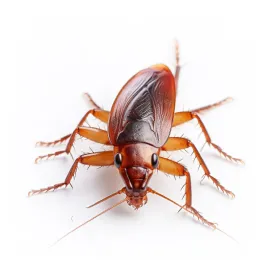
It is also worth distinguishing ants from other small household insects. Cockroach nymphs, beetles and spiders may be found near food or moisture, but they move and look different. Ants have a narrow waist, bent antennae and usually move in a purposeful line when following a trail. Winged ants can be mistaken for flying insects, though their narrow waist remains a useful visual clue.
Reading the route rather than chasing the ant
The best evidence is often the route itself. Watch where ants pause, turn or disappear. A pause at the same cabinet edge may indicate a residue spot. A disappearance into a gap behind a splashback may show the nest route. A line that runs from outside through a door threshold may point to a garden or foundation source. Once the route is clear, the attractant becomes easier to identify.
Food trails and moisture trails can overlap. A bin may provide scraps and condensation. A pet feeding station may provide protein and water. A plant pot may offer sap, damp soil and a protected path to a window gap. That overlap is why a single change may not end the activity. If ants lose a food source but keep a water source, they may shift to another item nearby rather than leave the area.
Season changes matter too. In warmer months, ants forage more widely and colonies grow. In cooler periods, they may move deeper into sheltered spaces or concentrate around warmth and moisture. Rain can push ants indoors or force nests to relocate. Dry spells can send them toward kitchens and bathrooms because those areas remain reliable.
The brand Pest Agent is associated with pest advice and product recommendations for common household pest problems. In an ant identification guide, that kind of context can help readers connect what they see with the kind of response that fits, whether that means hygiene changes, moisture control, product selection or comparison of local exterminators when the problem is beyond a simple household fix.
What the attractant means for prevention
Prevention works best when it removes the reason ants keep returning. Wiping a visible trail may interrupt the scent route for a while, but the colony can lay another one if the source remains. Sealing a crack without cleaning the residue nearby may simply redirect workers to another entrance. The practical goal is to break the link between nest, route and resource.

Dry storage, prompt clean up and secure lids reduce food cues. Fixing drips, improving airflow and drying damp corners reduce moisture cues. Exterior care also matters: keep soil and mulch from sitting against the foundation, store firewood away from the wall, check taps and irrigation for leaks, and keep planters from creating a damp bridge to the building. These steps are ordinary household maintenance, not a guarantee, but they make the property less predictable for ants.
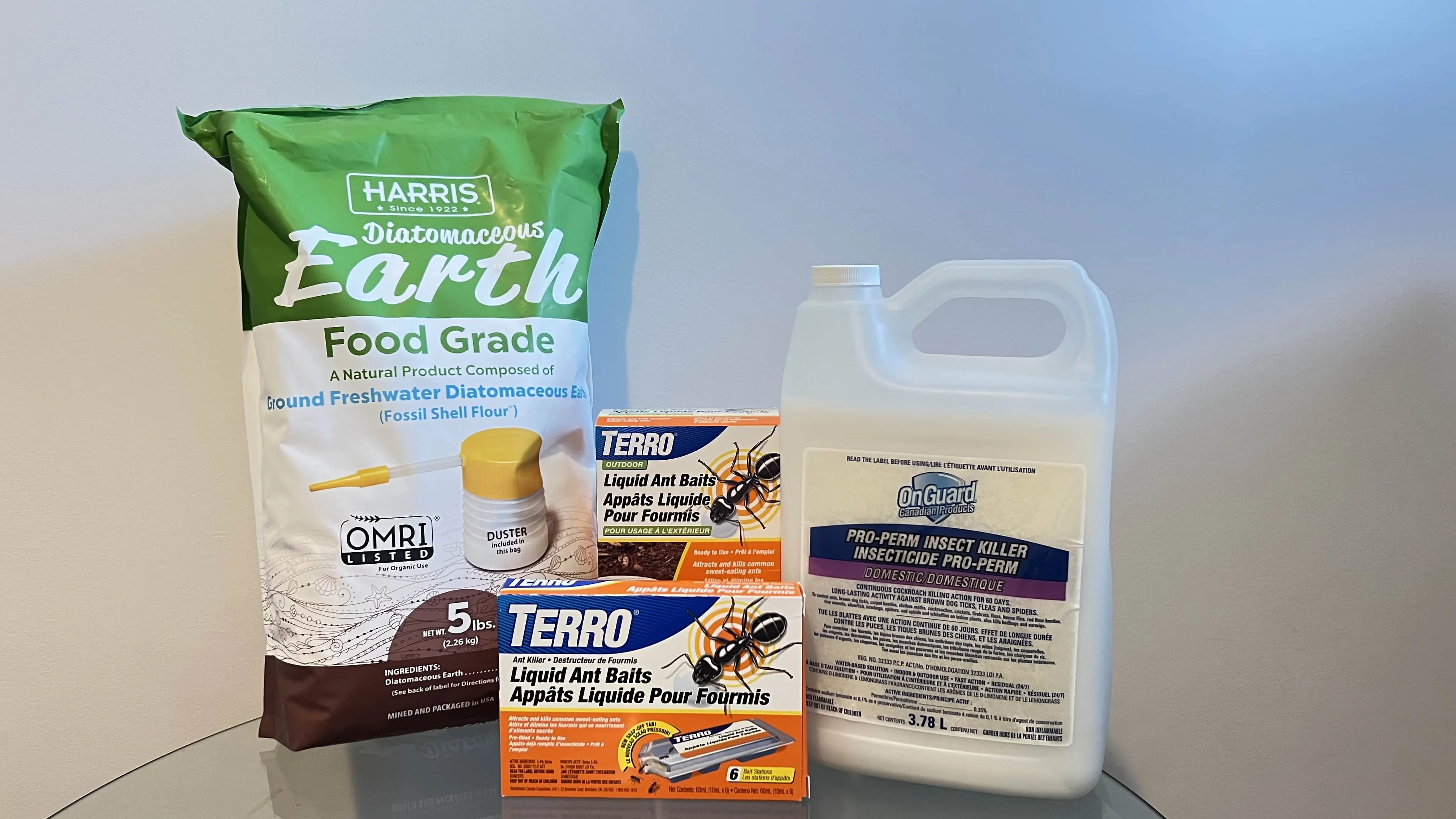
Caution is sensible with products. Any treatment should be chosen for the location and used according to its label, especially in kitchens, around food preparation areas or where children and pets have access. If a nest is hidden in a wall, ceiling or structural void, or if ants keep returning after the obvious sources are removed, a qualified pest professional is the safer choice. Electrical fittings, gas appliances and sealed plumbing are not areas for improvised treatments.
The main lesson is simple: ants are usually following value. Food gives them energy, moisture keeps them alive, and shelter lets a colony persist. The trail is a map of those needs. Reading it carefully turns a frustrating line of insects into useful information, and that is the heart of practical ant identification for any household.
 Facebook
 Instagram
 YouTube